Portable toilets offer numerous eco-friendly advantages that contribute positively to the environment. Firstly, they significantly reduce water usage, as a traditional flush toilet can use upwards of five gallons per flush, whereas portable toilets utilize a mere fraction of that amount. This conservation of water resources makes them a sustainable choice, particularly in areas where water scarcity is a concern. Secondly, portable toilets help prevent environmental contamination by safely containing waste, which is then disposed of in a controlled manner at specialized facilities. This prevents the potential pollution of waterways and local ecosystems.Moreover, modern portable toilets often come equipped with environmentally-friendly chemicals and processes that further lessen their impact. Deodorizers and cleaning agents used in these units are designed to be biodegradable, breaking down quickly without leaving harmful residues. By choosing portable toilets with such solutions, users contribute to a cleaner environment. Another significant benefit is the reduction in fossil fuel consumption, as portable sanitation companies strategically plan delivery and maintenance routes to minimize travel distances, reducing emissions and energy costs. Furthermore, many units boast components made from recycled materials, promoting the cycle of reusability and sustainability in manufacturing.In summary, portable toilets not only offer immediate conveniences and sanitary benefits but also contribute significantly to environmental conservation. They embody a responsible approach to sanitation, merging necessity with mindful resource management. Their adoption can lead to considerable water savings, pollution reduction, and support broader goals of environmental sustainability. These advantages make portable toilets a crucial, eco-friendly component of event planning, construction, and other temporary location needs, championing a greener future.
Portable Toilet Rentals in Longboat Key, Florida
Call today for a free quote (239) 402-7239
Portable Toilet
Fast, Easy, & 100% Free To Get Started
20+ Years of Expertise
For more than two decades, we have diligently served the Longboat Key community, establishing a strong reputation for dependability and excellence. Our dedication to customer satisfaction guarantees unmatched, personalized service.
Trusted Quality Service
Experience the convenience of our high-quality portable toilets, designed to meet all your sanitation needs with reliability and care. Our unwavering commitment to excellence ensures your satisfaction every time.
Efficient Quick Delivery
With a strong focus on prompt service, we guarantee quick delivery for all your portable toilet needs. Count on us for efficient, on-time solutions tailored to your schedule.
Portable Toilet Solutions in Longboat Key
Call for a Free Quote Today
(239) 402-7239
Located in Longboat Key, our portable toilet company is renowned for its dependable service and commitment to excellence. We are a locally owned business, ensuring you get personalized and reliable service tailored to meet your needs. Our portable toilets are ideal for construction sites, parties, festivals, and weddings, providing top-notch sanitation facilities for any event. Serving not only Longboat Key but also the surrounding areas, our team is dedicated to ensuring your satisfaction. Trust us to deliver clean, well-maintained units for your next gathering or project.
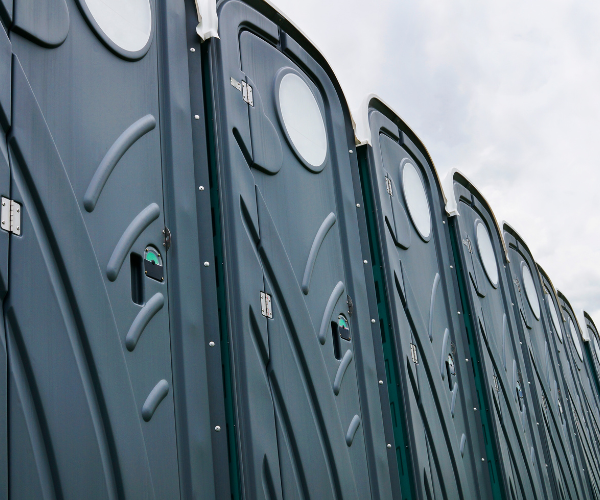
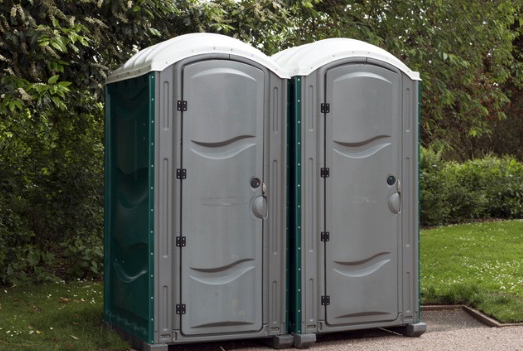
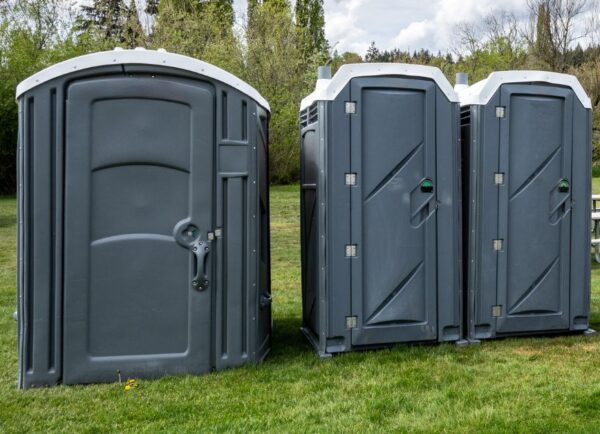
Our standard porta john rental units are durable and reliable for any commercial build site, housing development, public works project, or remodel job.Features include dome lighting, grated floors, and an “In-Use” locking mechanism for privacy and comfort. Regularly maintained, inspected, and cleaned by FusionSite at your location.
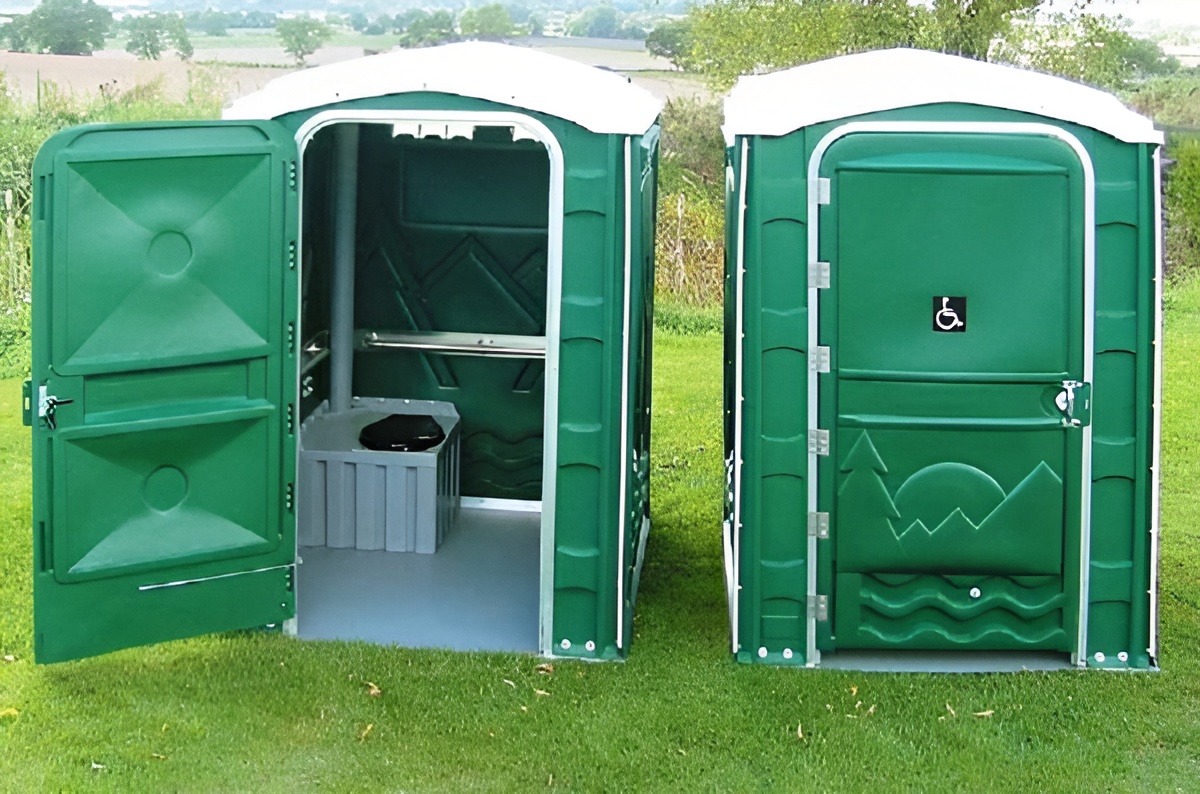
Developed as an alternative to full ADA-compliant restrooms, the Liberty is a spacious, wheelchair-accessible unit that can also be promoted as a family-sized restroom. Includes a patented flat-floor system for easy wheelchair access and maneuverability.Handrails, paper holder, and rotary latch are designed for simple, intuitive end-user operation.
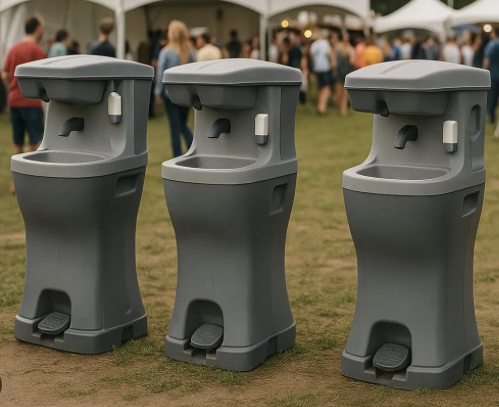
Portable hand washing stations are essential for keeping your work site sanitary and clean. Features hands-free foot pumps, liquid soap, and paper towels.Perfect for job sites without water hookups, these units can handle hundreds of washes between services.
We Proudly Serve
Standard Portable Toilets
Standard Portable Toilets at JW Craft offer reliable and hygienic solutions in Florida.
High Rise Portable Toilets
High Rise Portable Toilets ensure sanitation access at elevated construction sites in Longboat Key.
Restroom Trailers
JW Craft's luxurious Restroom Trailers provide comfort and sophistication in Longboat Key events.
Roll off Dumpsters
Roll off Dumpsters by JW Craft ensure easy waste management for Longboat Key projects.
Septic Tank Cleaning
Reliable Septic Tank Cleaning services available at JW Craft, Florida, for optimal system performance.
Grease Trap Cleaning
JW Craft's Grease Trap Cleaning in Longboat Key prevents costly buildups and maintains efficiency.
Fencing & Barricades
Fencing & Barricades in Florida by JW Craft provide safety and organization for any event.
Residential Storage
Secure Residential Storage services in Longboat Key offering peace of mind.
Longboat Key Portable Toilet and More
Getting a quote for our portable toilet services is incredibly convenient. Simply visit our website and use our user-friendly form to request a quote. Whether for a construction site, wedding, festival, or other events, our efficient delivery services ensure your needs are met promptly. Our team is dedicated to providing you with the most seamless experience, ensuring that every aspect of your rental is managed with professionalism. From the initial inquiry to the final setup, you can rely on us to provide portable toilets that meet your specifications. Choose us for a hassle-free quote and delivery service that keeps your event or project on track.
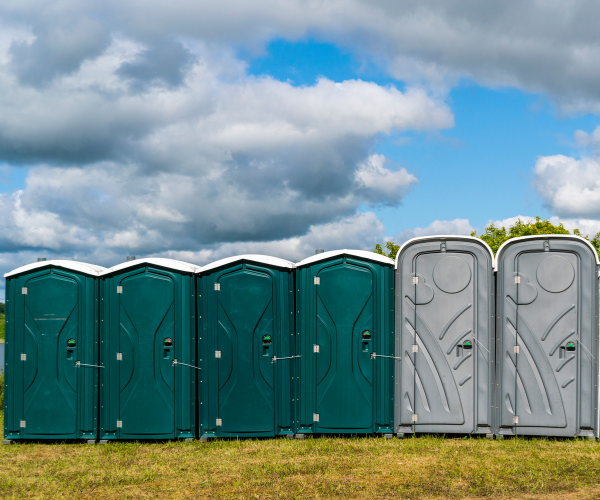
Our portable toilet services provide the perfect blend of local appeal and superior functionality for any event in Longboat Key. Known for its stunning outdoor attractions, such as the serene shores of Coquina Beach, our toilets are designed to cater to community events that celebrate nature. We emphasize creating clean and convenient facilities that elevate guest experiences during festivals, weddings, and more, ensuring every event feels seamless. Community-Focused Coordination: Our services highlight the island's charm and outdoor beauty, making us the top choice for portable toilets in the area. Each unit is delivered with the utmost care, ensuring reliability and cleanliness remain our top priorities. Trust our seasoned team to transform your occasion on this picturesque island into a memorable and stress-free experience.
Longboat Key is a community known for its unique coastal ambiance and our company reflects these local characteristics by offering unmatched portable toilet rental services. We provide clean, reliable, and versatile units, perfect for both large-scale events and intimate gatherings. Our dedication to quality and service creates a superior guest experience for various occasions, making us the preferred choice across Longboat Key.Efficiency and EaseOur commitment to Longboat Key encompasses more than just delivery; it's about understanding and enhancing local events with our exceptional service. Each rented unit is maintained to the highest standards of sanitation and reliability, guaranteeing an excellent experience. Choose us for the top-rated portable toilets in the region, a choice endorsed by the community's trust.
Fast and reliable service is at the heart of our portable toilet rentals, ensuring your plans proceed without interruption. Serving Longboat Key and its vibrant community, we prioritize quick delivery times tailored to your schedule. Whether for a local festival or a personal event, we're committed to providing portable toilet services that complement your timing.Precision and PunctualityOur team excels in delivering prompt, dependable service, keeping the integrity of your event intact. Count on us for portable toilet solutions that uphold quality and meet deadlines, giving you peace of mind and satisfaction.
Explore Our Longboat Key Portable Toilet
Renting a portable toilet in Longboat Key is now more convenient and accessible than ever. Our website offers a seamless process beginning with the 'Get A Quote' buttons strategically placed throughout the site. Simply click any of these to start your rental inquiry. For a more direct approach, use our prominently positioned inquiry forms at the top and bottom of the webpage. These forms request only essential details: your first and last name, phone number, and email, ensuring a swift and stress-free process.After submission, our team promptly reviews your request and contacts you to discuss your specific requirements. We customize each offer based on the information you provide, including the type of event or site, the number of units needed, and any additional services desired, such as hand sanitizer stations or premium restroom trailers. Our staff is committed to delivering a comprehensive service plan that fits perfectly with the timeline and logistics of your event or project.We prioritize flexibility in our rental process. Catering to last-minute requests and ongoing site needs, we ensure your toilet service is ready when you are. Our transparent pricing and flexible rental periods effectively accommodate both short-term events and long-term projects. Customer support is always available to handle any inquiries or adjustments throughout your rental period.Choosing our services means selecting Longboat Key's leading portable sanitation provider, known for excellence and customer engagement. With every step simplified and customer-focused, renting a portable toilet with us offers an experience that is both smooth and rewarding.
Understanding the delivery timeframe for your portable toilet rental is crucial for ensuring a seamless event or construction project. We pride ourselves on offering prompt and reliable delivery services tailored to meet the needs of our clients in Longboat Key. For typical orders, we recommend scheduling at least a week in advance to ensure availability and the best possible service. However, we understand that urgent needs arise, and we are equipped to handle expedited requests efficiently.Our logistics team works closely with you to determine the most convenient delivery window, taking into account the event's start times or specific onsite requirements. We maintain a fleet of vehicles and professional drivers who are well-versed in the local area, allowing for flexible scheduling and rapid response to last-minute changes or demands.During peak seasons or large events, such as festivals or major construction projects, communication remains key. We ensure that all deliveries are tracked in real time, providing updates on arrival times and any potential deviations. Our commitment to punctuality and service quality guarantees that your portable toilets arrive on time and are ready for immediate use.In summary, while we ensure the fastest possible delivery, early booking is always a best practice to secure preferred placement and unit availability. Trust in our expertise to provide timely and efficient portable toilet services, enhancing the success and comfort of your event or project.
Yes, we proudly provide complete portable sanitation services for all types of events and construction needs. Whether you're organizing a lively festival, a sophisticated wedding, or a corporate event, our extensive range of restroom solutions can accommodate your requirements. Our offerings include luxury restroom trailers for high-end occasions, standard porta potties for practical usage, roll-off dumpsters for efficient waste management, as well as fencing and barricades to ensure event safety and organization.Notably, we bring ADA-compliant units, portable sinks, and hand sanitizer stations to events, catering to accessibility and hygiene standards. For construction projects, our robust portable toilets and holding tanks are built to withstand site conditions while providing essential sanitation facilities. Our services extend across sporting events, family reunions, and any gathering that requires reliable and convenient restroom solutions.Simply choose the units that best match your event profile and let us handle the rest. Our dedicated staff ensures timely delivery, setup, and maintenance throughout your rental period. By selecting us, you gain a trusted partner committed to enhancing your event with clean and functional facilities, ensuring a hassle-free experience that allows you to focus on your guests.
