Using portable toilets offers numerous eco-friendly advantages that are essential for sustainability and environmental conservation. Portable toilets are specifically designed to minimize their ecological footprint, making them an excellent choice for environmentally conscious events and construction projects. One significant advantage is water conservation. Traditional toilets use a significant amount of water per flush, whereas portable toilets utilize chemical treatments to break down waste, drastically reducing water usage. Another ecological benefit is they help prevent contamination of local environments. By providing sanitary facilities in outdoor or remote areas, portable toilets reduce the risk of human waste polluting soil and water sources, protecting local ecosystems from harmful bacteria and nutrient overloads. Additionally, modern portable toilets are manufactured using recyclable materials, adding another layer of sustainability by ensuring units can be recycled at the end of their lifespan rather than occupying space in landfills. Moreover, the regular servicing of portable toilets contributes to reduced waste; professional services ensure that waste is disposed of in a sanitary and environmentally responsible manner according to local regulations. Many service providers also use eco-friendly chemicals in waste treatment, avoiding the use of harsh substances that can negatively impact the environment. Lastly, the convenience and mobility of portable toilets lessen infrastructural impacts, such as the need for constructing permanent toilets in natural settings, thereby preserving the area's natural beauty and integrity. Overall, portable toilets are an exemplary choice for both practical waste management and reducing environmental impact.
Portable Toilet Rentals in St. Pete Beach, Florida
Call today for a free quote (239) 402-7239
Portable Toilet
Fast, Easy, & 100% Free To Get Started
Decades of Experience
With over 20 years of experience, our company has strong roots in St. Pete Beach, providing exceptional portable toilet services. Our dedication to quality ensures customer satisfaction and builds lasting community ties.
Committed to Quality
We prioritize quality by keeping our portable toilets impeccably clean, well-maintained, and dependable. We thoroughly inspect each unit to guarantee client satisfaction.
Rapid Delivery Service
We recognize the crucial role of timely service, delivering fast to satisfy your portable toilet needs. Our efficient team guarantees on-time arrival of your units, every time.
Reliable Portable Toilet Solutions in St. Pete Beach
Call for a Free Quote Today
(239) 402-7239
At our St. Pete Beach portable toilet company, we pride ourselves on offering dependable and reliable services backed by years of local ownership. Our services extend across the main location and into nearby areas, ensuring you have access to support wherever your events take place. Whether it's a construction site, a lively party, a bustling festival, or a romantic wedding, we provide clean, reliable restroom solutions tailored to meet your needs. Our commitment to quality and service excellence is what sets us apart from the rest. Trust our locally owned business to deliver exceptional service and peace of mind for your event.
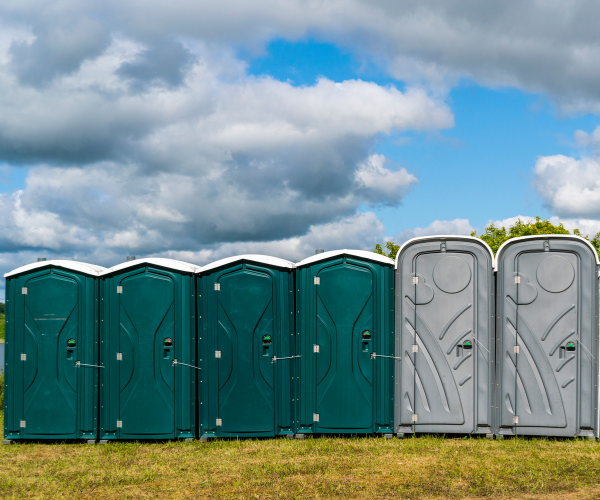
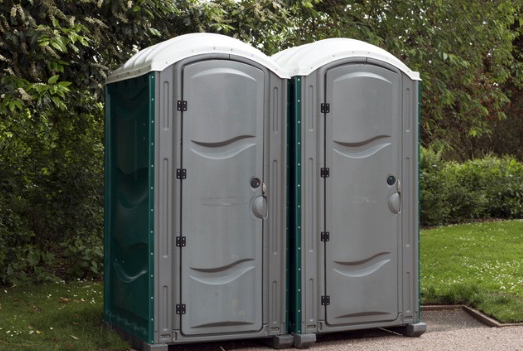
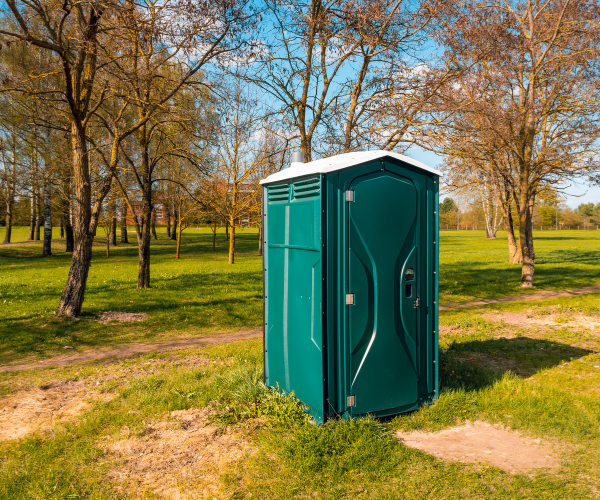
Our standard porta john rental units are durable and reliable for any commercial build site, housing development, public works project, or remodel job.Features include dome lighting, grated floors, and an “In-Use” locking mechanism for privacy and comfort. Regularly maintained, inspected, and cleaned by FusionSite at your location.
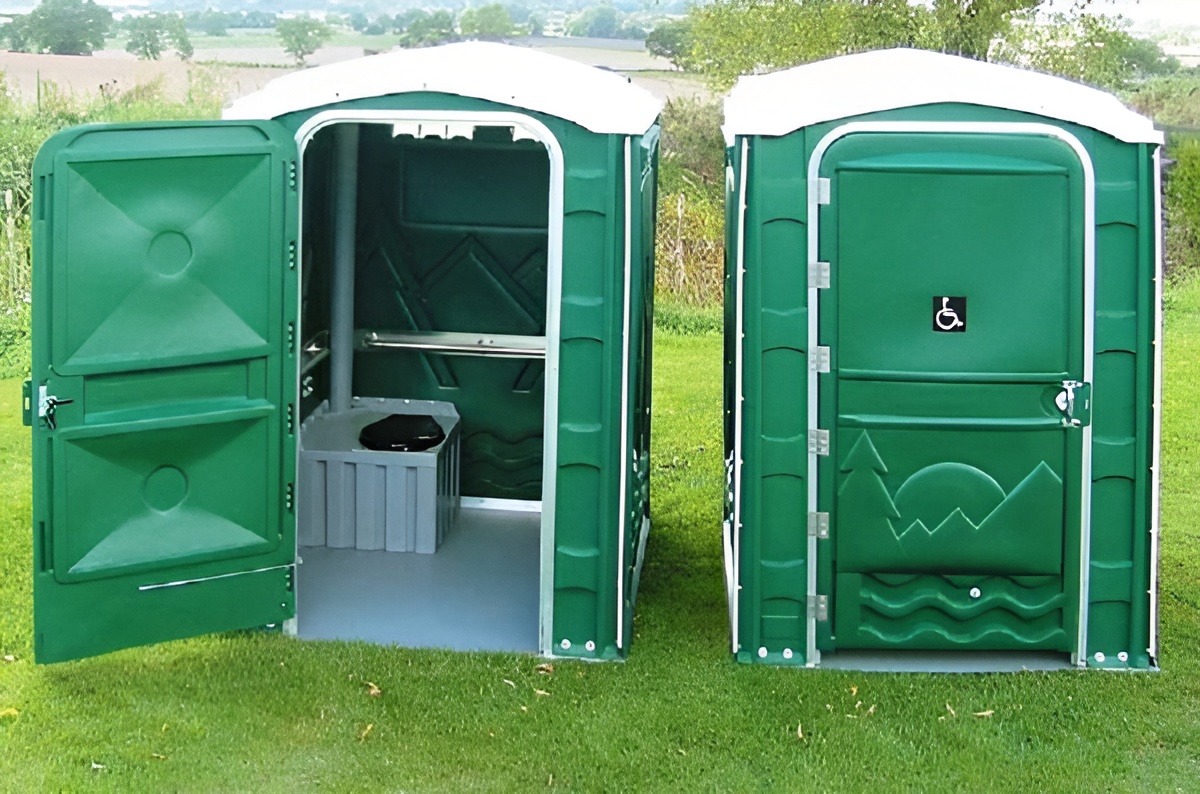
Developed as an alternative to full ADA-compliant restrooms, the Liberty is a spacious, wheelchair-accessible unit that can also be promoted as a family-sized restroom. Includes a patented flat-floor system for easy wheelchair access and maneuverability.Handrails, paper holder, and rotary latch are designed for simple, intuitive end-user operation.
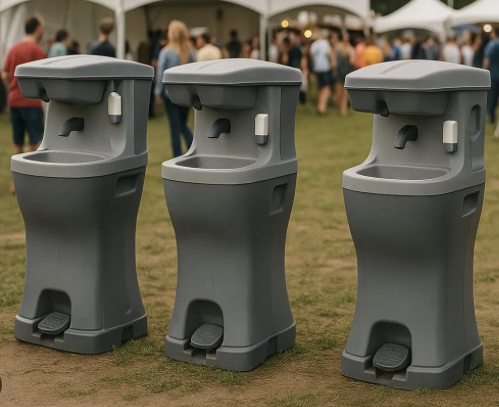
Portable hand washing stations are essential for keeping your work site sanitary and clean. Features hands-free foot pumps, liquid soap, and paper towels.Perfect for job sites without water hookups, these units can handle hundreds of washes between services.
We Proudly Serve
Standard Portable Toilets
Our Standard Portable Toilets provide essential convenience with outstanding durability for any event in Florida.
High Rise Portable Toilets
Perfect for high rise locations, our Portable Toilets offer unmatched accessibility and ease of use in St. Pete Beach.
Restroom Trailers
Our Restroom Trailers at St. Pete Beach offer a luxurious bathroom experience with spacious interiors and climate control.
Roll off Dumpsters
At St. Pete Beach, our Roll off Dumpsters facilitate efficient waste management for construction and large events.
Septic Tank Cleaning
Expert septic tank cleaning services in Florida from JW Craft ensure reliability and top operational standards.
Grease Trap Cleaning
Our Grease Trap Cleaning in St. Pete Beach ensures food businesses maintain hygienic and efficient operations.
Fencing & Barricades
JW Craft provides durable fencing and barricades in Florida for secure event setups and construction sites.
Residential Storage
Our Residential Storage solutions in St. Pete Beach, Florida, offer safe and reliable options for storing personal belongings.
St. Pete Beach Sanitation Solutions
Obtaining a quote and scheduling delivery for a portable toilet in St. Pete Beach has never been more convenient. Whether planning a small gathering or a major event, our streamlined process allows you to get a quote quickly and painlessly through our user-friendly website. Simply fill out the short form with your basic details, such as your first name, last name, phone number, and email, and we will provide you with a competitive price for our services. Additionally, our 'Get A Quote' button is strategically placed throughout our pages for quick access. Once you submit your request, a trained professional will contact you to ensure that all your requirements are addressed, guiding you through the options available to find the best fit for your event. Beyond quotes, our delivery service is top-notch, designed to ensure that your portable toilets reach the venue precisely when needed. Our logistics team has perfected the balance of timeliness and efficiency, making certain that even last-minute requests are handled with ease. This responsive service gives you peace of mind, allowing you to focus on the success of your event without any restroom worries.

Our portable toilet services in St. Pete Beach offer a distinct local charm, perfectly suited to its laid-back atmosphere and lively events like the Sanding Ovations Masters Cup. Integrating effortlessly with the beach culture, we deliver sanitation solutions for everything from community festivals to private gatherings. Positioned close to the iconic Don CeSar, our environmentally conscious approach ensures every unit complements the breathtaking locale. By providing reliable and spotless facilities, we enhance guest experiences, solidifying our status as the top choice for any event needing clean, dependable restrooms.
Selecting our company means you're opting for a portable toilet service rooted in extensive experience and community trust. St. Pete Beach has been our base for years, and our dedication to maintaining its appeal with our services remains steadfast. We deliver tailored solutions designed to address the specific needs of our local clients, recognizing the value of strong community ties. Our reputation rests on a history of reliability and quality, ensuring the success of your event, regardless of its size or reach.
Our company excels in providing fast and reliable portable toilet services across St. Pete Beach. With a dedicated logistics team, we organize swift deliveries to accommodate your timeline, ensuring that your event's sanitation needs are met without delay. Each unit undergoes a rigorous quality check upon delivery, aligning with our high standards of cleanliness and reliability to guarantee an unparalleled experience for your guests.
Learn More About Our Portable Toilets in St. Pete Beach
Renting a portable toilet in St. Pete Beach involves a straightforward process designed to make your experience as seamless as possible. Begin by visiting our website where you'll find forms conveniently located at both the top and bottom of the page. Additionally, 'Get A Quote' buttons placed throughout the site make it easy to initiate your rental process from various points in our content, ensuring you don't have to search far to start. The form itself requires essential information such as your first name, last name, phone number, and email to facilitate accurate quotations and communication. Our team prioritizes the ease of our clients by providing simple steps to receive a quote tailored to your specific needs and event requirements. After you've filled out the form and submitted it, our team of experienced professionals will promptly review your request. We strive to contact you quickly, ensuring that any questions or additional specifications are addressed personally to create a rental plan that perfectly aligns with your event. We take pride in our customer-centric approach that focuses on responsiveness, making sure that from the moment you reach out, your experience is treated with urgency and care. Our reputation in St. Pete Beach is built on user-friendly services, and we are committed to ensuring your portable toilet rental is efficient and satisfactory, meeting all the unique demands of your event.
The typical delivery timeframe for portable toilet orders is designed to ensure maximum convenience and reliability for our clients. Recognizing the varied needs of events and worksites, we offer a highly flexible delivery schedule, typically requiring a lead time of 24 to 48 hours. Upon confirmation of your order and specific requirements, our team coordinates to accommodate your preferred delivery date and time, avoiding any disruption to your plans. During periods of high demand, especially in peak event seasons or for last-minute arrangements, we strive to retain our commitment to efficiency, aiming to meet the same delivery windows to the best of our capacity. Our logistics team employs strategic planning and robust communication, ensuring all portable toilets are delivered through well-organized operations that consider traffic, accessibility, and timing. This allows us to achieve punctual deliveries irrespective of location challenges. Furthermore, in emergencies or sudden changes, we encourage immediate contact since our support team is trained to prioritize urgent requests, adapting schedules and mobilizing resources swiftly to maintain our high standards of service. Transparency is the cornerstone of our delivery process, with our customer service representatives ready to provide updates and answer any questions you have during the lead-up to delivery. By choosing us, you can have confidence that your portable toilet rental will arrive promptly, fully prepared, and ready for use as planned.
Yes, we can absolutely service a wide range of events and construction projects with our extensive selection of portable sanitation solutions. No matter the occasion, we ensure that your sanitation needs are completely covered, from small gatherings to grand festivals. We specialize in providing for diverse settings such as lively festivals and sports events, where accommodating large numbers of attendees is crucial. For weddings and corporate events, our offering of luxury restroom trailers guarantees comfort and sophistication, adding a touch of elegance to significant gatherings. Beyond event services, we cater to construction sites with options like porta potties, roll off dumpsters, fencing, and barricades, all essential for maintaining sanitary and safe work environments. Our units include ADA-compatible toilets, portable sinks, and hand sanitizer stations to ensure accessibility and hygiene are prioritized. Our firm's comprehensive portfolio and customization options allow us to tailor solutions to fit the specific demands of any event or project you have in mind. Trust in our experience and dedication to proficiently manage all aspects of your event's or site's sanitation requirements.
